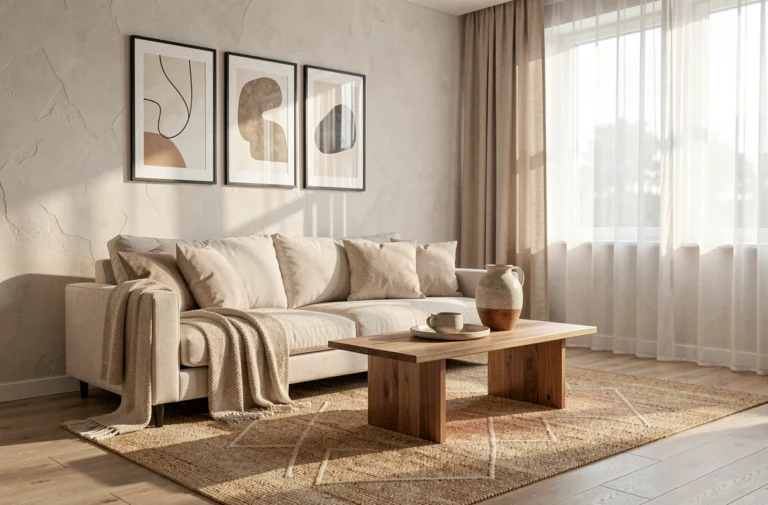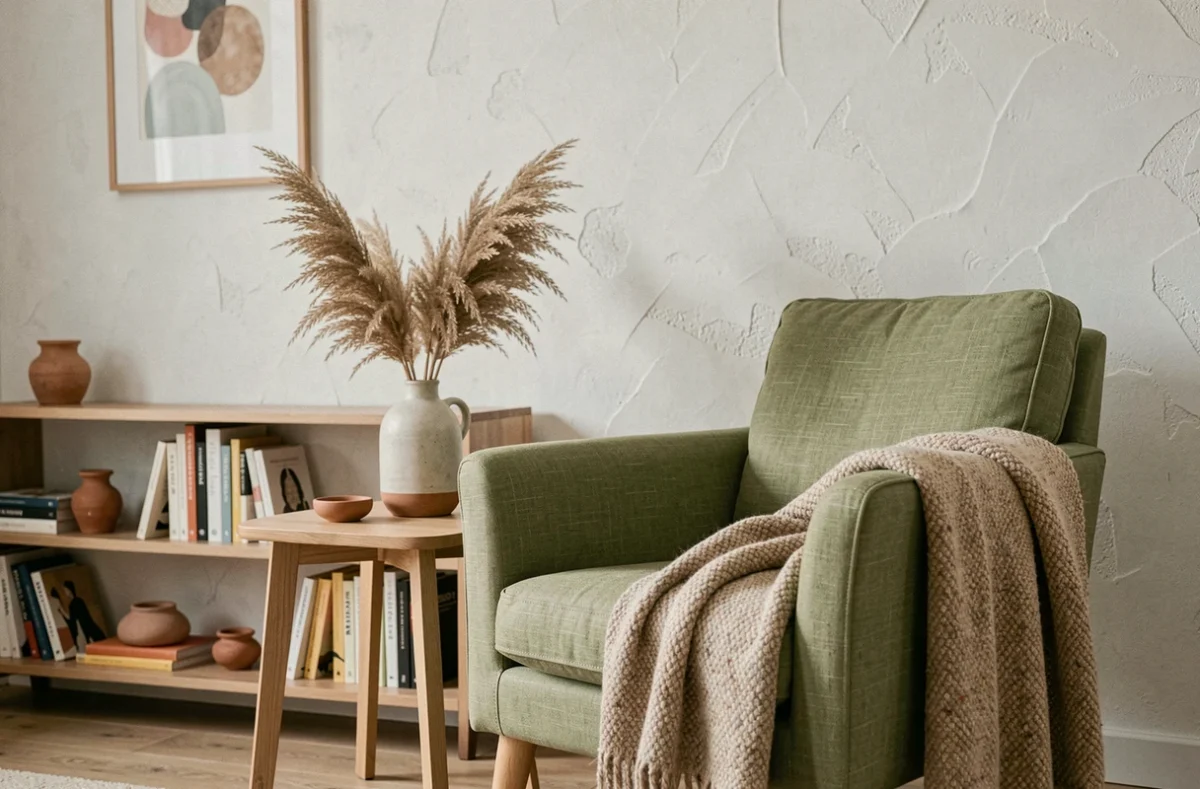
The interior decoration market is undergoing a discreet yet profound transformation. Reports published in the fall of 2026, notably the Houzz 2026 U.S. Fall Design Trends Report from September 2, 2026, document a shift: interiors are no longer designed for resale, but to last. This trend is changing material choices, color palettes, and even the way spaces are structured for everyday use.
Reuse of decorative materials: an underestimated lever
Competitors often talk extensively about colors and furniture, but rarely about the origin of materials. Reuse is gaining ground in interior renovation projects, and France is gradually structuring this sector.
Seven methodological sheets published on September 1, 2026, detail the criteria for reusability for common materials: carpet tiles, PVC flooring, lighting fixtures, modular partitions. These documents cover removal, handling, refurbishment, and traceability. For decoration, this means that a floor or a light fixture from a previous project can now be reintegrated into a new project with a clear technical framework.
In practical terms, choosing reclaimed tiles or refurbished lighting for your living room or dining room is no longer seen as a DIY project. The standardization of the process makes these options comparable, in terms of documented quality, to new products. Field reports still vary on the actual availability of these materials depending on the regions, but the trend is set.
To find design ideas that incorporate these approaches, the decor sections of Incroyable Maison gather ideas categorized by style and room.
Sustainable interior decoration: the end of resale-oriented style
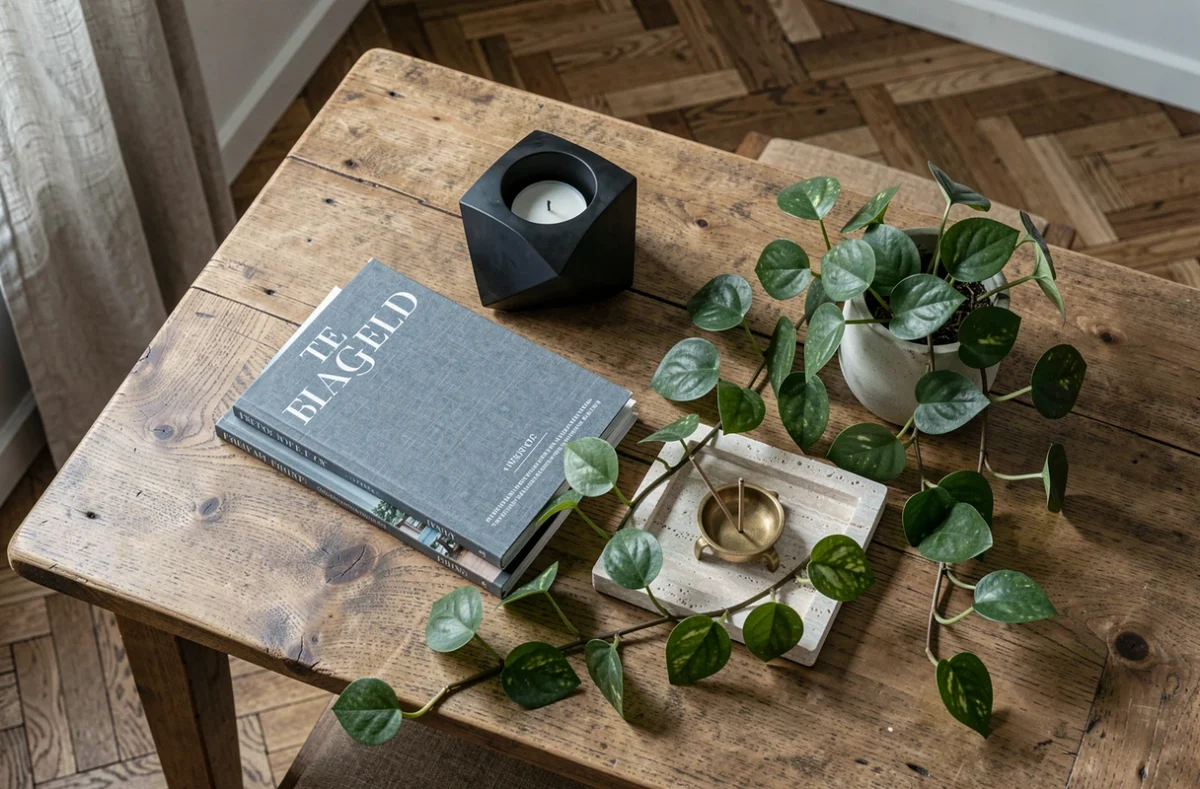
The Houzz 2026 U.S. Fall Design Trends Report highlights a shift in priorities. Homeowners are favoring personally composed interiors, featuring antique objects, vintage pieces, and artisanal finishes. Standardized style is giving way to a habitat that reflects lived experiences.
This evolution has direct consequences on decor choices. The logic of “neutral to please the greatest number” is being replaced by bolder decisions: a raw linen upholstery fabric instead of a uniform synthetic covering, a thrifted piece rather than a catalog set.
What this changes room by room
In the living room, the atmosphere is built around a few strong pieces (a vintage armchair, a handmade light fixture) rather than a coordinated set. Deep colors like green or midnight blue serve as a backdrop for spaces designed for everyday life, not for a magazine photo.
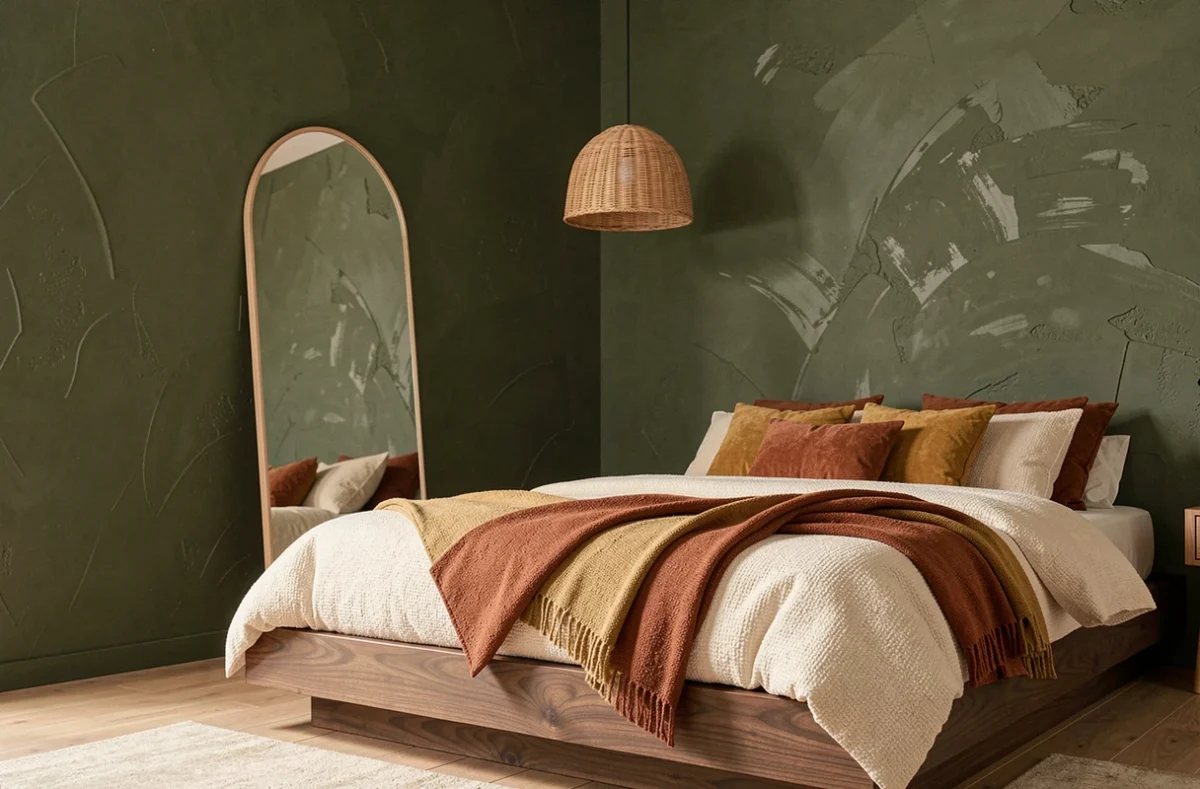
In the bedroom, natural materials replace industrial finishes. Wood, stone, woven textiles: surfaces gain texture. The idea is not to follow a fleeting trend but to create a space that ages well.
Adaptable spaces and accessibility: decoration as a tool for adaptation
The AIA Home Design Trends Survey report, published on September 21, 2026, confirms that accessibility is becoming a design criterion from the outset. Requests focus on adaptable housing, widened access, ground-floor suites, and accommodating multiple generations under one roof.
This observation goes beyond the issue of disability. It concerns anyone who plans to stay in their home long-term. In decoration, this translates into concrete choices:
- Clear pathways in the living room and dining room, with easily movable furniture rather than fixed arrangements
- Floor coverings without thresholds or steps between rooms, promoting both visual fluidity and practicality
- Storage solutions accessible at multiple heights, integrated into the room’s style rather than added afterward
Interest in outdoor spaces has also increased compared to 2025 according to the same AIA report. Terraces, verandas, and gardens are becoming extensions of the indoor space, with a coherent decorative treatment: same shades, same materials, same pursuit of comfort.
Indoor air quality: a still little-known decor criterion
A survey reported by Batinfo indicates that the majority of French people support mandatory labeling of furniture regarding their impact on indoor air quality. This topic, rarely addressed in decor trend guides, directly influences material choices.
Paints, adhesives used in furniture, upholstery fabrics, and flooring emit volatile organic compounds. Choosing untreated solid wood furniture or certified fabric is not just an aesthetic choice: it is also a decision that affects the air breathed daily in each room.
The available data does not yet allow for precise comparisons of the health impact of certified furniture versus standard furniture. However, regulatory pressure and consumer demand are pushing manufacturers to better document the composition of their products. For interior decoration, this means that the choice of a healthy material is becoming a style criterion in its own right.
Color and material trends: what shapes choices in 2026
The palettes that dominate this year share a common point: they favor calming atmospheres. Terracotta, beige, deep green, and midnight blue shades appear in most trend reports. White remains a base, but it is increasingly paired with raw textures (polished concrete, stone, lime plaster) to avoid a clinical effect.
In terms of materials, dark wood (notably walnut) is gaining popularity over the light oak that dominated in recent years. Curved shapes and organic lines are gradually replacing the systematic right angles in modern furniture.
- Terracotta and sandy beige for walls and large surfaces
- Deep green or midnight blue as an accent on a wall or piece of furniture
- Dark wood and walnut for structural furniture (table, bookshelf)
- Linen, wool, and raw cotton for upholstery textiles
These orientations are not rules. The interest of these palettes lies in their ability to coexist with antique pieces, thrifted objects, or artisanal creations, which aligns with the underlying trend towards interiors built to last rather than replaced every three years.