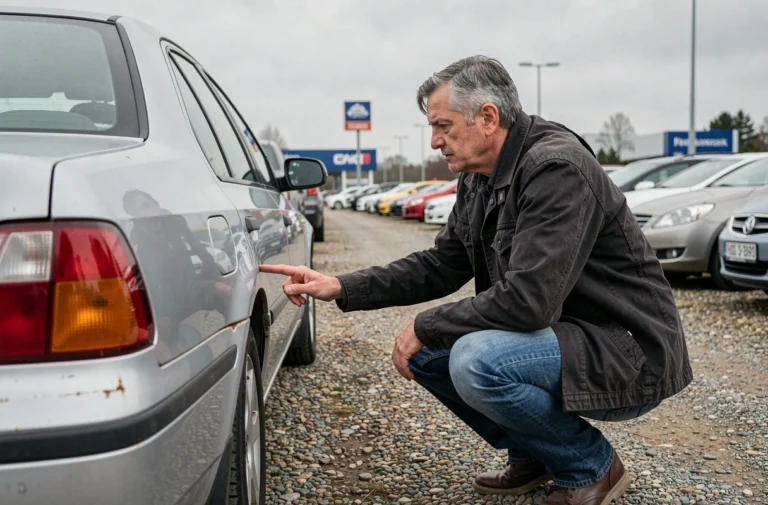
The European vehicle rental market attracts a majority of private customers every year. Renting a car for a holiday or business trip is still straightforward, but contract terms, driving restrictions and additional fees can sometimes turn the experience into an obstacle course. Between low-emission zones, border crossings and deposits held on your bank card, there is much more to watch out for than simply comparing prices.
Car rental and driving through low-emission zones: check the sticker before booking
Low-emission zones (LEZs) are becoming more common in France and directly affect the type of vehicle you can drive. Before confirming a booking, check the Crit’Air rating of the vehicle on offer. Rules vary from one city to another and may change from one season to the next.
A national rental company does not necessarily guarantee that the vehicle provided will be compliant with every LEZ on your route. If your journey takes you through Lyon, Strasbourg and then Grenoble, each urban area applies its own restriction thresholds. Ask in writing for the Crit’Air sticker of the vehicle assigned to you, not just the one for the category you booked.
If you want to rent a car with peace of mind, checking this should be part of your booking routine, just like confirming the mileage allowance or fuel type.
The practical risk: a fine for driving in an LEZ in a non-compliant vehicle. The rental company generally will not cover this type of penalty, which remains the driver’s responsibility.
Rental car insurance and crossing borders: what the contract may not always tell you
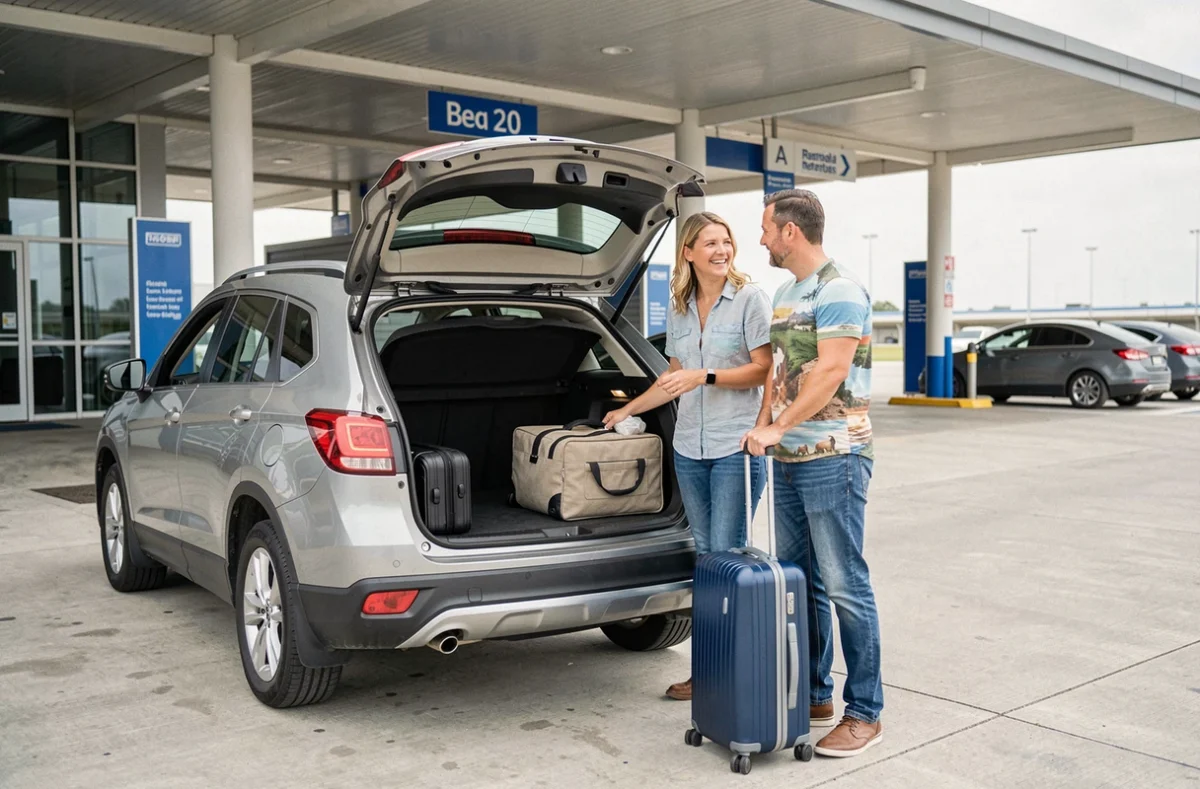
Crossing a border in a rental car involves more than getting the rental company’s approval. You need to meet three separate requirements, and they are not always covered in the same document.
- Permission from the rental company to cross the border, often subject to cross-border fees that may apply for the entire rental period, not just the days spent abroad.
- Insurance coverage in each country you visit: a contract that allows you to cross the border does not guarantee that all coverage will extend to the vehicle. Compulsory third-party liability is generally extended, but theft or vehicle damage cover may be limited or excluded depending on the destination.
- Documents required at the border: an insurance green card, a letter of authorization from the rental company, and an international driving permit, depending on the destination country.
Ask for written confirmation covering each of these points before you leave. An email from customer service may not be enough: request a contractual document that explicitly lists the permitted countries and the associated coverage.
Cross-border fees: a frequently underestimated cost
Cross-border fees are not always shown during online booking. They may only appear at the counter or in the detailed terms and conditions. On a route through several countries, these fees can add up to a significant share of the total rental cost.
Compare the different rental companies’ policies on this specific point. Some charge a one-off fee, while others add a daily surcharge. The difference in the final cost can be substantial for a rental lasting several days.
Deposit and bank card: plan for funds to be held
The deposit is a common source of friction. The amount held on your bank card when you collect the vehicle can reach several hundred euros, and sometimes more for higher-end categories.
This amount may remain unavailable for several days after you return the vehicle, depending on the processing times of your bank and the rental company. For travellers combining a car rental with other holiday expenses, this hold can cause problems with their card limit.
Check three things before booking:
- The exact deposit amount for your chosen vehicle category.
- The type of card accepted: some rental companies do not accept debit cards and require a credit card with deferred payment. Check this to avoid being turned away at the counter.
- The release timeframe stated by the rental company. If your bank adds its own processing time, the funds may be unavailable for one to two weeks.
Excess and additional insurance: what to consider
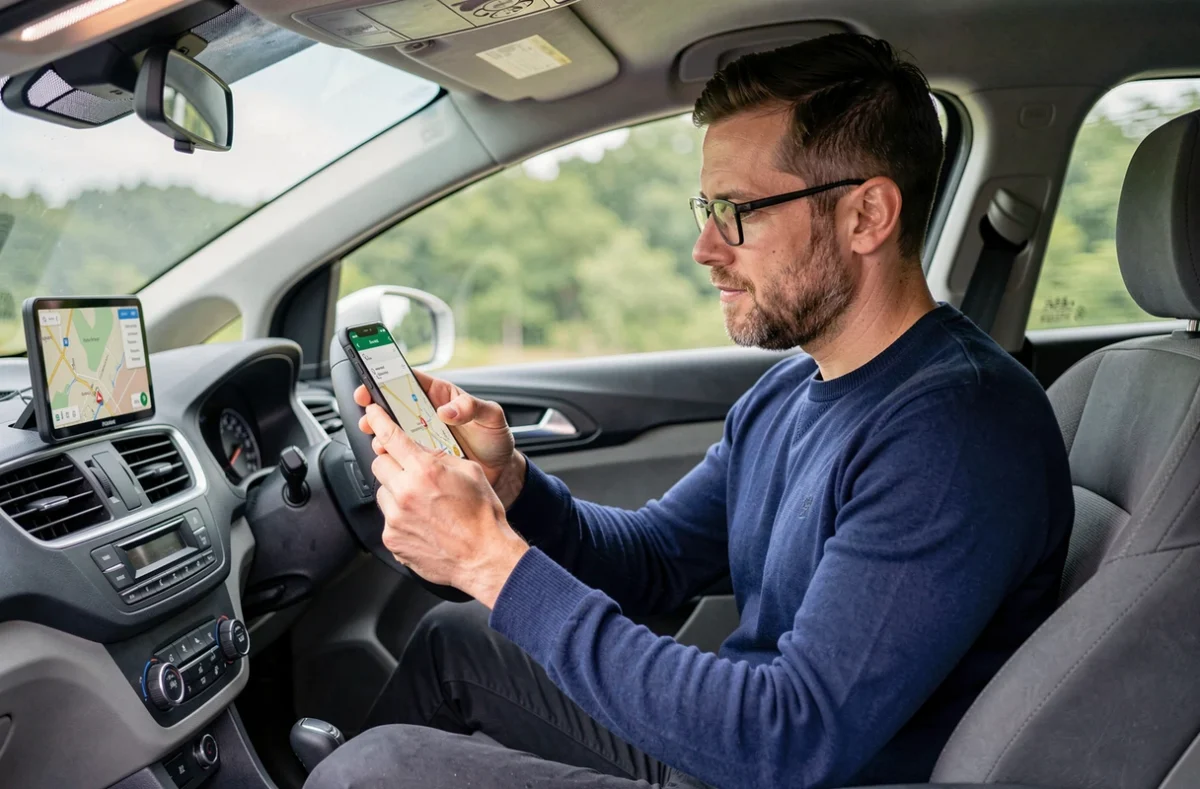
The excess stated in the basic contract is the amount you must pay in the event of a claim. Additional insurance offered at the counter reduces or waives this excess, but the daily cost can quickly add up.
Before taking out cover at the counter, check whether your bank card already includes rental car insurance. Some premium cards cover collision damage or theft, making the rental company’s additional insurance redundant. Contact your bank for details of the coverage and the conditions for activating it.
Rental car inspection: the only truly reliable protection
Most post-rental disputes concern contested damage. A joint inspection at pickup and return remains the only form of evidence that can be relied on in a dispute.
Photograph the vehicle from every angle when you collect it, making sure the timestamp is visible. Pay particular attention to the wheels, bumpers, roof and door sills. Any damage not recorded on the inspection report may be charged when you return the vehicle.
Insist that every scratch, dent or other issue is recorded on the pickup report, even if the agent tells you “it’s nothing to worry about”. When you return the vehicle, ask for a signed copy of the return inspection report before leaving the rental office.
A dated video, in addition to photos, provides further evidence that is difficult to dispute. Walk all the way around the vehicle while filming, and say the date and location out loud.
Car rental is much simpler when you plan every step in advance, from the Crit’Air sticker to the release of your deposit. The most useful checks take just a few minutes at the time of booking and can save you hours of complaints and follow-up after you return the car.