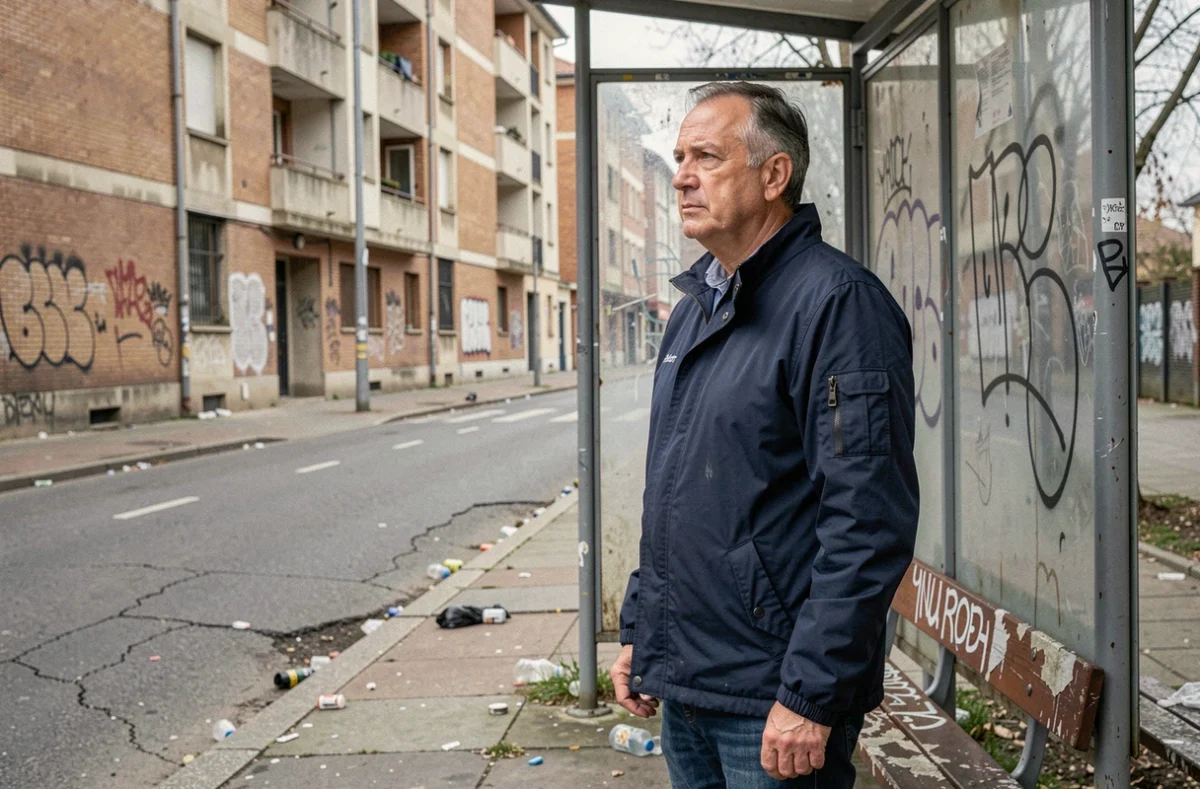
In the Toulouse landscape, certain shadowy areas emerge. It is advisable to steer clear of Mirail, Bagatelle, Empalot, and Arnaud Bernard, neighborhoods sometimes tinged with a sultry reputation. These urban labyrinths, melting pots of delinquency, owe their danger to a volatile cocktail of poverty, unemployment, and trafficking. To avoid pitfalls, prioritize group travel, vigilance, and the use of public transport. However, Toulouse is not just a dark picture. Capitole, Carme, and Côte Pavée shine with safety, offering a striking contrast to the Pink City. In the face of these challenges, initiatives are emerging to transform Toulouse into a more secure city, such as increases in police personnel and prevention actions.
Mapping the shadowy areas: neighborhoods to avoid in Toulouse
The pink city, famous for its historical and cultural heritage, does present some shadowy zones. Certain neighborhoods are sometimes stigmatized due to their geographical situation or the social problems they face. In the beautiful city of Toulouse, a certain notorious area deserves particular attention due to the insecurity that prevails there.
Mirail, a multi-ethnic neighborhood in the southwest of Toulouse, is striking for its cultural diversity but also for the economic and social difficulties it has faced for several years. Although the human potential in this area is enormous with a dynamic and hopeful youth, it remains marked by a high unemployment rate, significant relative poverty, and persistent delinquency.
We must not forget Bellefontaine, located in the southwest of the city. This neighborhood suffers from a difficult reputation due to its geographical isolation and structural problems related to education and employment. Despite the efforts made by the municipality to improve its quality of life with innovative urban projects aimed at opening up this sensitive urban area, Bellefontaine continues to be perceived as a dangerous place.
Aragon, also located in the southwestern part of Toulouse, is often associated with various trafficking activities such as drugs and stolen cars…
The urban labyrinths: why are some neighborhoods dangerous?
The oppressive atmosphere that prevails in certain neighborhoods is not a product of chance. Several factors can explain this worrying climate. This often controversial subject deserves to be approached with a non-prejudiced perspective based on tangible facts.
One major aspect lies in urban design. Indeed, the architecture and spatial layout of an area can significantly influence our perceptions. Narrow, labyrinthine, or poorly lit streets can create a sense of insecurity. Similarly, a glaring lack of amenities such as parks, green spaces, or even shops can create an unwelcoming environment.
Moreover, the socio-economic level also plays a crucial role. Areas with higher unemployment rates tend to be perceived as more threatening as they are often associated with higher levels of crime. However, it should be noted that this perception may not always reflect the objective reality.
The influence of actual crime is undeniable, but we must also consider that of perceived crime. Often fueled by the media and popular imagery, this stereotypical view largely contributes to reinforcing the feeling of insecurity in certain neighborhoods.
The general condition of the neighborhood is decisive: cleanliness of public places (streets, parks…)
Escaping danger: tips for traveling safely in Toulouse
Toulouse, a world-renowned pink city, offers an ideal setting for strolling and discovering its hidden treasures. However, like in any major metropolis, one must remain vigilant to navigate safely. Preventing risks is the first step towards safe exploration. It is recommended to avoid poorly lit and deserted streets late at night, for example.
In public transport, be attentive to pickpockets who may take advantage of rush hours or common distractions such as using a mobile phone. Metro stations are generally safe, but do not leave your belongings unattended and always keep your bag securely against you on line A or B of the Tisséo network.
When cycling, scrupulously respect the rules of the road: red lights, stop signs… all these signs apply to cyclists too! Wearing a helmet is not mandatory but is highly recommended for your personal safety.
The municipality has implemented several measures aimed at improving urban safety. Regular patrols are conducted by municipal and national police to minimize incidents and offenses. Video surveillance is also gaining ground with the gradual installation of cameras in various neighborhoods.
The contrast of the Pink City: the secure neighborhoods of Toulouse
World-renowned for its unique color and gentle atmosphere, Toulouse, however, hides two distinct realities. At first glance, one encounters a friendly, vibrant, and secure city. Neighborhoods such as Capitole or Saint-Étienne are highly appreciated and recognized for their safety as well as their cultural dynamism.
It is in these sought-after areas that the Pink City reveals all its splendor: winding alleys lined with buildings showcasing typical southern French architecture, lively squares where students mingle at outdoor cafés with local artists. These sectors also breathe history with monuments like the Couvent des Jacobins and the basilica of Saint-Sernin, which attracts many visitors each year.
But above all, here reigns a feeling of calm. Significant measures have been put in place to ensure this serenity for both residents and tourists: increased video surveillance, enhanced police presence, not to mention optimized public lighting to deter any malicious acts. Moreover, these neighborhoods are often pedestrian-friendly, which not only helps reduce noise pollution but also discourages any attempts at intrusion.
Towards a safer Toulouse: initiatives to improve the city’s security
Toulouse, nicknamed “the pink city,” is actively working to become an example in terms of safety as well. Several initiatives are being deployed to enhance the safety of citizens and urban infrastructures.
One of the flagship programs focuses on the implementation of a smart technological infrastructure. The idea is to use technological advancements to facilitate urban surveillance and respond quickly to incidents. Among these innovations, there is notably an increased use of intelligent cameras capable of analyzing video streams in real-time to detect any unusual or potentially dangerous situations.
Smart public lighting is also an integral part of the security system envisioned by Toulouse for the future. These systems not only improve nighttime visibility in certain neighborhoods but also serve a deterrent role against anti-social behavior.
Furthermore, there is significant development of the public transport network, both in quantitative and qualitative terms. Investments aimed at increasing the number of transport options and their accessibility are planned, but that’s not all: special attention will be paid to their security through various means, such as introducing more staff or increasing video surveillance.
The establishment of a centralized system gathering all this information will allow the various stakeholders involved (municipal police, judicial authorities, etc.) to make quick, appropriate decisions and enhance responsiveness to evolving situations.