Brittany attracts visitors every year to its coasts, trails, and ports. However, part of the region remains unknown: the hinterland, car-free mobility, and island logistics. Understanding these aspects changes the way to prepare for a stay in the Breton region.
Inner Brittany: why the hinterland deserves your attention
The cliffs, islands, and fine sandy beaches capture most of the tourist attention. However, the interior of the region is a territory in its own right, with a rich heritage and landscapes very different from the coast.
Tourism professionals observe a growing gap between the saturated coastal areas and the hinterland. Desseasonalization policies aim to better distribute visitors over time and space. In practice, this means that hiking in the inner Côtes d’Armor or discovering the forests of Morbihan offers a calmer experience, even in summer.
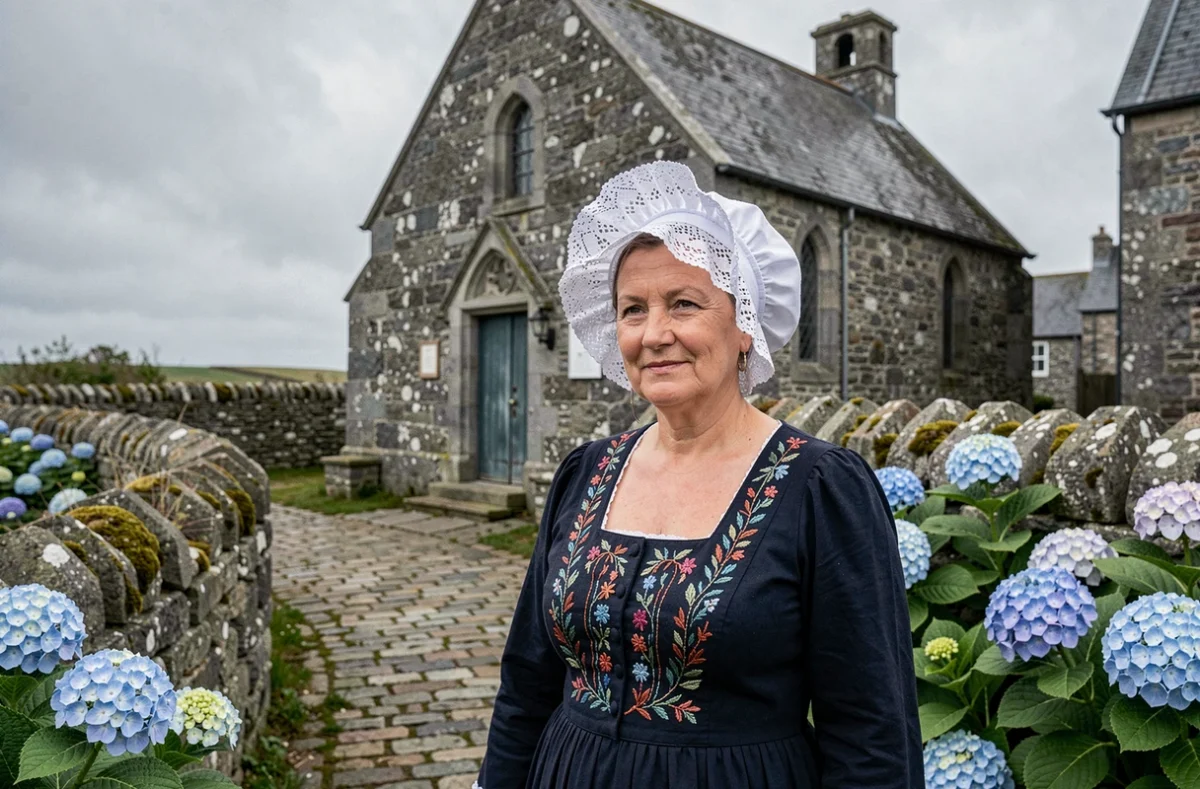
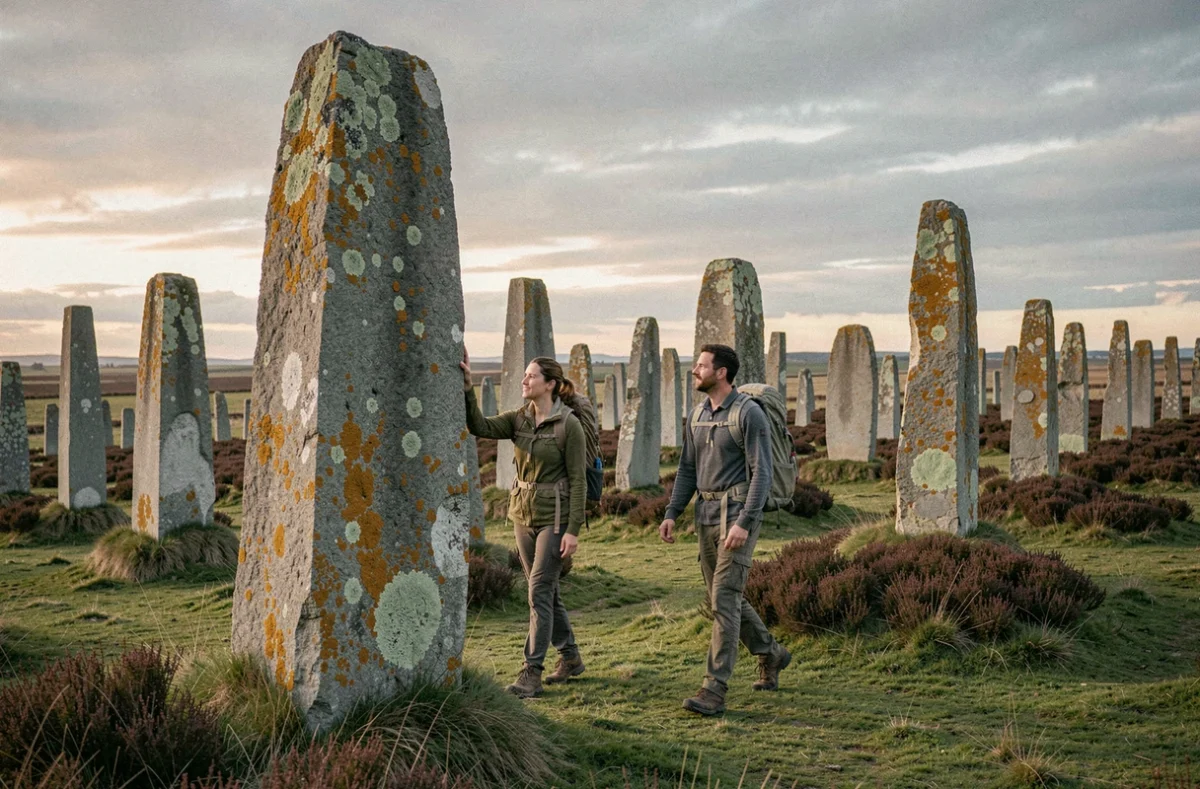
Hikes in inner Brittany traverse hedgerows, narrow valleys, and isolated chapels. The religious heritage is particularly visible here: calvaries, parish enclosures, small granite churches. This architectural heritage, often absent from classic tourist circuits, tells the Breton story better than any museum.
To explore these routes, regional resources available at bretagne-region.com help identify hiking trails suitable for different levels, far from the crowded coastal paths.
Getting around Brittany without a car: the train as a concrete alternative
The car remains the dominant reflex for visiting Brittany. The road network is well-connected, and the distances between tourist sites are short. So why consider anything else?
Because the Region has strengthened the TER offer in recent years, particularly around the Rennes star and in southern Brittany. TER ridership continued to grow in 2026. The challenge is no longer just to promote the landscapes but to connect tourist sites through mobility less dependent on the automobile.
Combining train and bike works well in Brittany. The Vélomaritime, for example, connects Saint-Malo to Roscoff along the northern coast. Several TER stations are located near cycling routes, allowing for a segmented itinerary without returning to the starting point by car.
Preparing for a cycling trip in Brittany
Before you go, a few points deserve checking:
- Check the bike compatibility of Brittany’s TER trains: not all trains accept non-dismantled bikes, and space is limited during peak season.
- Identify safe greenway sections, distinct from departmental roads shared with cars.
- Plan for short stages if traveling with children or luggage: the seemingly modest Breton elevation can quickly add up over a day.
Biking allows you to discover Brittany at a pace that gives you time to stop in charming villages, taste local cuisine at a roadside crêperie, or follow an estuary without worrying about parking.
Breton islands: how island logistics change your stay
The islands concentrate a significant part of the Breton imagination. Bréhat, Belle-Île-en-Mer, the Glénan archipelago: each has its character, colors, and light. However, organizing an island stay requires preparation that lists of “must-see places” rarely detail.
Access to certain islands is now subject to regulatory measures. Visiting a Breton island may therefore involve advance reservations and access restrictions, especially in summer.
Practical constraints of island stays
Maritime connections vary by season, tide, and departure port. Some islands have limited accommodations. Here’s what to anticipate:
- Check shuttle schedules based on tide coefficients, which can alter departure times.
- Book accommodations several weeks in advance for islands with low capacity.
- Plan for food autonomy for islands that have neither supermarkets nor restaurants open out of season.
- Check for quotas or limits before purchasing a crossing ticket.
These constraints are not obstacles. They are part of the Breton island experience, where the rhythm depends as much on the sea as on the calendar.
Living Breton traditions: fest-noz, religious art, and local gastronomy
Breton culture is not limited to bigouden headdresses and buckwheat pancakes. It thrives through practices still deeply rooted in the regional daily life.
The fest-noz, inscribed in the intangible cultural heritage, remains a major social event in many municipalities. These gatherings combine dance, traditional music, and conviviality in community halls or outdoors. Participating, even without knowing the steps, provides a direct insight into living Breton culture.
The Breton religious heritage is distinguished by its density. The parish enclosures of Finistère, with their triumphal gates, ossuaries, and sculpted calvaries, form a unique architectural ensemble in France. This is not a frozen heritage: temporary exhibitions and contemporary art trails regularly invest these sites.
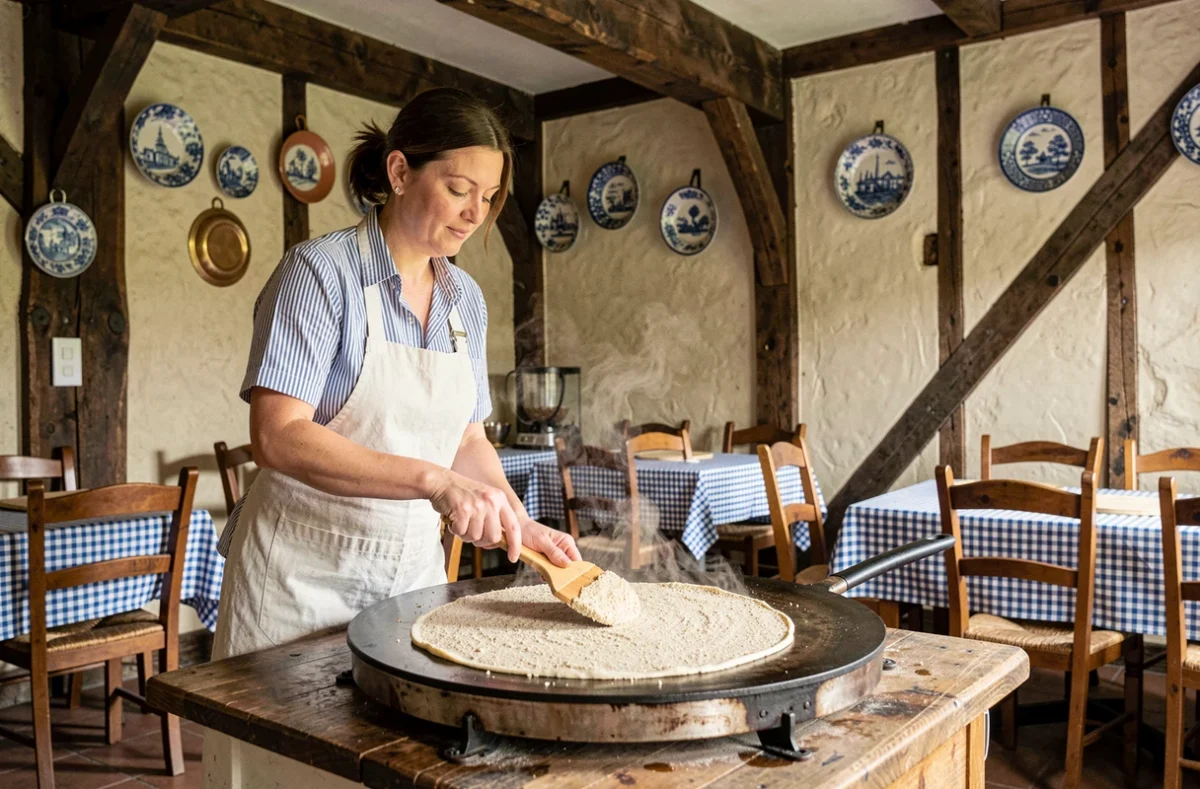
In terms of gastronomy, Brittany produces well beyond crêpes. The oysters from Cancale, kouign-amann, farmhouse cider, and edible seaweeds cultivated on the northern coast compose a varied terroir. Tasting local products directly from the producers remains the best way to understand what the region puts on the plate.
Brittany is best discovered when you go beyond the lists of sites to check off. Taking a TER to a rural station, walking on an inland trail, waiting for the right tide to embark to an island: these logistical choices are part of the journey as much as the destination itself.