In France, one in five homes today is subject to a building permit application for a modular or alternative structure. Local authorities, once reluctant, are now granting permits for projects previously considered marginal.
In the face of skyrocketing building prices, more and more individuals are turning to solutions that, just yesterday, were reserved for industry or temporary sites. Container homes, long relegated to the background, are now establishing themselves in the residential landscape and are no longer just a curiosity.
Container homes and modular habitats: why are they generating so much enthusiasm today?
Container homes, made from repurposed shipping containers, are appealing for a simple reason: they provide a direct, concrete response to the surge in prices and the difficulty of accessing affordable housing. Supported by the strength of steel, this solution allows for the construction of a dwelling in an incredibly short time. Gone are the endless waits of a traditional construction site: the modules are prefabricated, brought to the site, assembled like a child’s playset, and inhabited right away. In a market where owning land is becoming inaccessible for many, the modular home stands out as a compelling alternative to the traditional home.
At the same time, the focus is on sobriety and ecological reinvention. Using containers is a double win: it gives a second life to an industrial material, limits waste production, and reduces the carbon footprint of construction. High Cube models, prized for their interior height, offer beautiful volumes, true flexibility in layout, and allow for generous natural light. The latest environmental regulations further raise the bar by pushing for improved insulation and energy-efficient equipment.
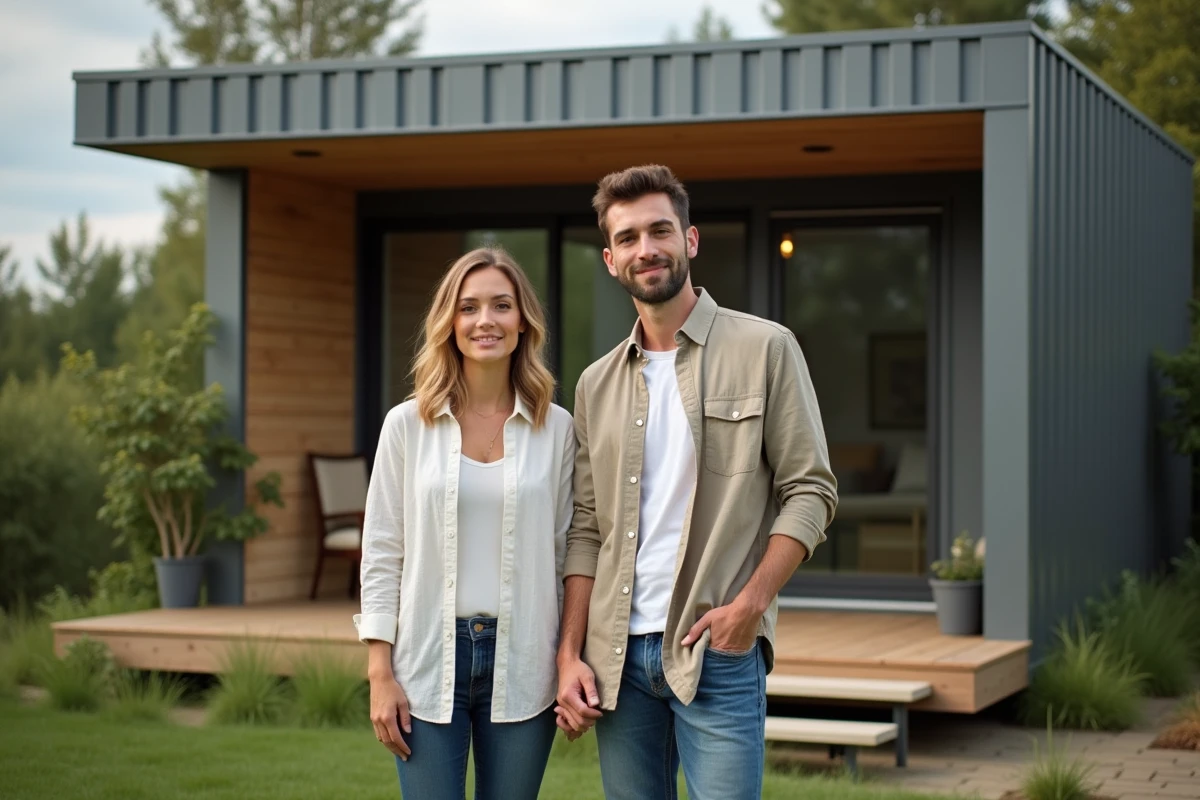
Aesthetically, the modular home is anything but a standardized dwelling. The combinations are numerous: stacked modules, side extensions, plays of volume and materials. Personalization becomes the norm. This diversity is accompanied by a growing interest from professionals who specialize in it, as seen for example on https://www.atypik-home.com/, to better understand the range of possibilities, from design to completed project.
Concrete examples for inspiration: completed projects, styles, and possible layouts
Just observing the completed projects reveals the vitality of the market. There is now an impressive array of container habitats, from spacious main homes to ultra-compact independent offices, including custom extensions.
To give an overview of the different ways to design these habitats, here are frequently implemented configurations:
- Main container habitat: up to 180 m², combination of several modules, large openings, and rooftop terrace.
- Container office: module between 15 and 30 m², abundant natural light, well-thought-out orientation.
- Container house extension: side addition or independent floor, cladding in harmony with the existing building, and optimized insulation.
- Seasonal rental: compact space, functional design, simplified maintenance, and contemporary touches.
Interior design also plays a crucial role: wooden cladding for a softer integration, choice of bio-based insulation, optimized storage, installation of solar panels or double-flow ventilation systems to gain energy autonomy and comfort, everything counts. Many adapt their project over time, adding a floor, creating a studio, or setting up a workshop; the modular aspect adjusts to evolving needs.
Prices, procedures, and practical advice: everything you need to know before getting started
The financial argument remains one of the most significant: building with containers generally costs 15 to 20% less than traditional construction. This savings comes from the speed of assembly, reduced waste production, and the structural performance of steel, which eliminates certain costs associated with heavy construction. The total price will depend on the number of modules, the level of finish (simple kit or fully equipped), the chosen foundations, and all the equipment to be integrated.
A small point of caution regarding regulations: from 20 m², a building permit must be submitted. Each municipality sets its rules through the PLU, which determines the footprint, height, and sometimes the allowed materials; some municipalities are still strict about the external appearance. Furthermore, the RE2020 standard raises the bar in terms of thermal performance, insulation, ventilation, and air tightness. Getting support from an architect or a design office is often valuable to validate feasibility and ensure project compliance.
Steel requires certain maintenance: taking care of joints, monitoring seals and paint, treating corrosion to preserve the lifespan of the home. The connections (water, electricity, sanitation) require anticipating the project from the search for land. Regarding financing, banks are now taking these projects seriously, provided there are standard guarantees and construction damage insurance.
To build a container home, three paths emerge:
- Self-construction for those who want to oversee the entire project and adapt each step according to their desires.
- Kit: prefabricated structure to assemble yourself, ideal for reducing costs while retaining control over the finish.
- Turnkey: project managed by a professional, comprehensive support, and delivery ready to inhabit.
Being well-informed, carefully selecting your land, and meticulously preparing each administrative procedure: these details make a difference in successfully realizing your modular project without a hitch.
This new habitat disrupts the norms: far from being a mere trend, the container home is establishing itself everywhere, symbolizing a regained freedom in design as well as in use. The question remains how far each person will dare to push the boundaries of their imagination.