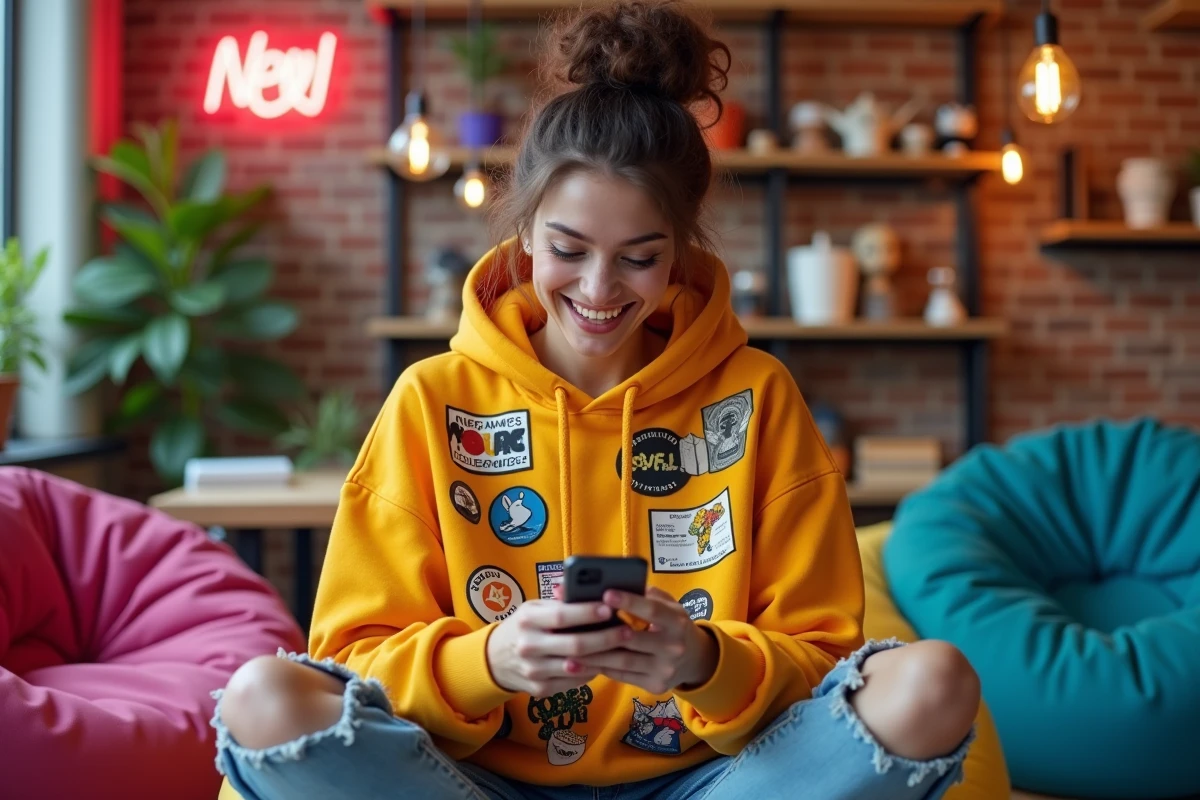
The viral trends of 2024 cannot be understood without looking at what preceded them. The dangerous challenges of 2023, which were massively removed by platforms before they even became mainstream, have reshaped the rules of the game for creators and algorithms. We have observed a clear shift: virality in 2024 relies less on shock and more on finer cultural mechanics, where remixing and nostalgia replace escalation.
Algorithmic Moderation and the Legacy of Censored Challenges from 2023
The platforms drew operational conclusions from 2023. Physical risk challenges, often removed within the first hours of dissemination, pushed TikTok and Instagram to strengthen proactive detection of dangerous content before it reached a threshold of virality.
This lockout had an unexpected side effect: creators migrated towards narrative and aesthetic formats rather than physical provocation. The production cost of a risky challenge became too high given the likelihood of rapid removal.
At the same time, the enforcement of the strengthened Digital Services Act in 2025 imposed mandatory labels on AI-generated viral content in Europe. This regulatory constraint slowed the virality of certain unusual cross-border trends, with labeled videos generating less spontaneous engagement. European creators who follow viral news on Buzzorama had to adapt their formats to stay compliant without losing audience.
The concrete result: the viral trends of 2024 take longer to establish but last longer. We have moved from a virality cycle of a few days to waves lasting several weeks, driven by successive variations of the same concept.
TikTok Trends 2024: Cultural Remix as a Viral Engine
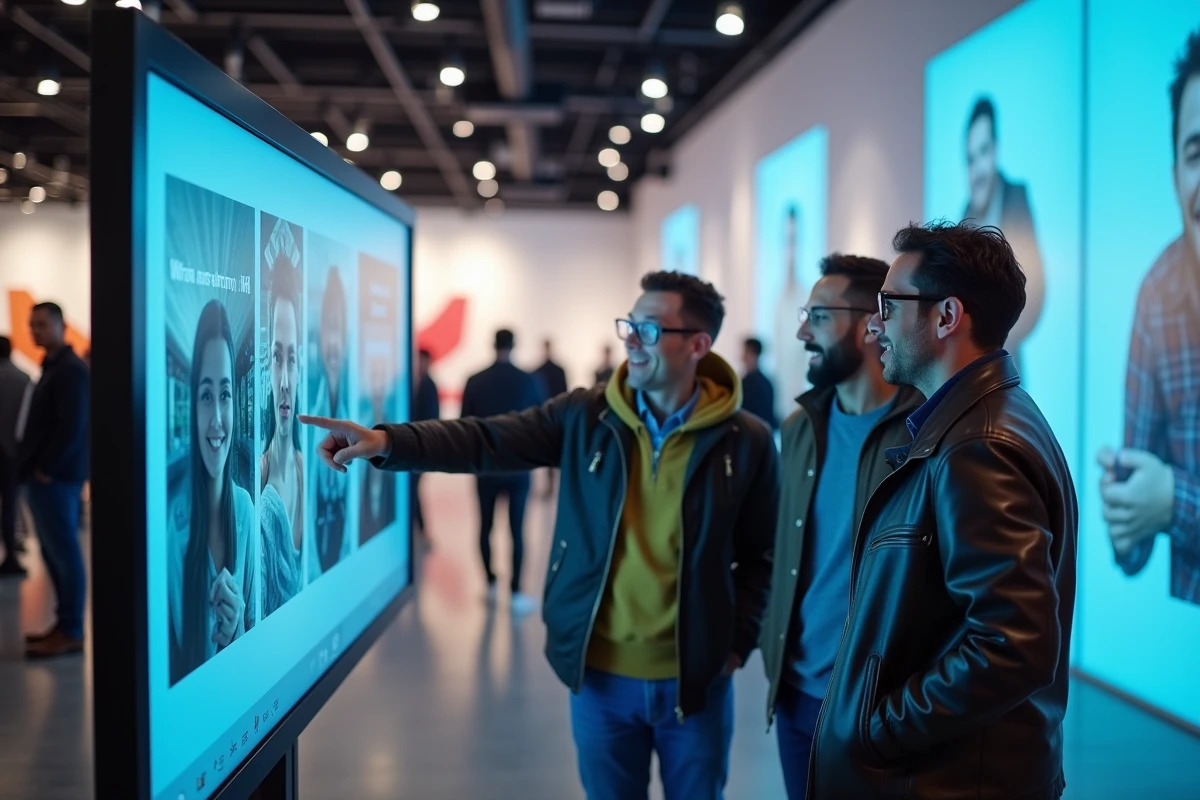
The Asoka trend perfectly illustrates this mechanism. Drawn from a Bollywood film from 2001, it has generated over 300,000 posts on TikTok. Creators from around the world have embraced the film’s fashion and makeup codes, each adding a local touch.
Virality through cultural remix works because it is participatory without being risky. Each iteration adds a layer of meaning, which feeds the algorithm with signals of novelty while maintaining recognition of the original format.
BookTok and FilmTok: Virality that Generates Real Sales
BookTok has surpassed the stage of a niche phenomenon. Reading recommendations on TikTok now influence reprints at publishers. FilmTok follows the same trajectory, with older films finding an audience thanks to short-format analyses.
These thematic communities share a common trait: they transform virality into concrete action (purchase, viewing, subscription). For brands, this is a more reliable lever than the ephemeral challenges of 2023.
- BookTok pushes forgotten titles to the top of sales, sometimes weeks after the first viral video.
- FilmTok revives films released over ten years ago, with a measurable streaming spike after each wave of content.
- Creators specialized in these niches build a loyal audience, in contrast to the “one hit then forget” model of classic viral challenges.
AI-Generated Content and New Regulatory Constraints in France
The year 2024 saw an explosion of videos using artificial intelligence generation tools. AI filters on social networks have transitioned from gimmick to a fully-fledged viral format. Face transformations, historical reconstructions in video, cloned celebrity voices: these contents fueled the buzz for several months.
The Digital Services Act changed the game for creators based in France and Europe. The obligation to label AI-generated content, applied since early 2025, has created an asymmetry: labeled videos lose organic reach compared to unmarked content. American creators, not subject to this constraint, maintain a distribution advantage on the same platforms.
We observe that French creators are circumventing this limitation by hybridizing AI content and real capture. The editing mixes filmed sequences and generated elements, making labeling less systematic. This regulatory gray area has not yet been resolved by authorities.
AI Video and Content Production for Brands
On the brand side, the production of AI-assisted video formats allows for multiplying advertising variations at lower costs. Some agencies now produce several dozen new formats per month using these tools, directly feeding campaigns on social media.
The tension between content volume and perceived authenticity remains central. A video that is too visibly AI-generated loses credibility with the audience, even if it is technically flawless.

Viral News 2024: What Distinguishes Sustainable Buzz from a Flash in the Pan
Not all unusual trends of 2024 have had the same longevity. A sustainable buzz relies on the format’s ability to be reinterpreted, not simply reproduced. Trends that are limited to a specific gesture or sound fade within a few days. Those that offer an open narrative framework survive for several weeks.
- The “brat summer,” driven by Charli XCX’s album, lasted all summer because each creator could project their own version of the “brat” attitude.
- Culinary trends like “candy salad” or “cucumber salad” worked on the same principle: a simple concept, infinite variations.
- Purely imitative challenges, where there is nothing to add to the original format, disappear in less than a week.
Brands that have successfully navigated 2024, like KFC and Burger King with their unlikely alliance or Uber Eats with its “It’s good to cancel” campaign, all relied on a tonal shift rather than a shock effect. The narrative shift has replaced transgression as the engine of virality.
This evolution directly reflects the legacy of 2023. Platforms have made transgression costly, and both creators and advertisers have adapted. Buzz in 2024 is built on cultural complicity, not rupture. It is a structural change that will continue to shape social media trends in the coming years.