A natural gardening blog is not limited to recycling plant sheets. The most cutting-edge resources produce protocols tailored to the real constraints of the land, particularly the management of degraded urban soils, an angle that most mainstream guides overlook in favor of advice calibrated for well-endowed rural plots in organic matter.
Degraded urban soils: what specialized blogs bring to city gardeners
Urban garden soils often suffer from compaction, residual contamination from heavy metals, and unbalanced pH. A vegetable garden set up on a former wasteland or in a recent housing development inherits a remediated substrate, poor in microbial life, where standard advice on surface compost is insufficient.
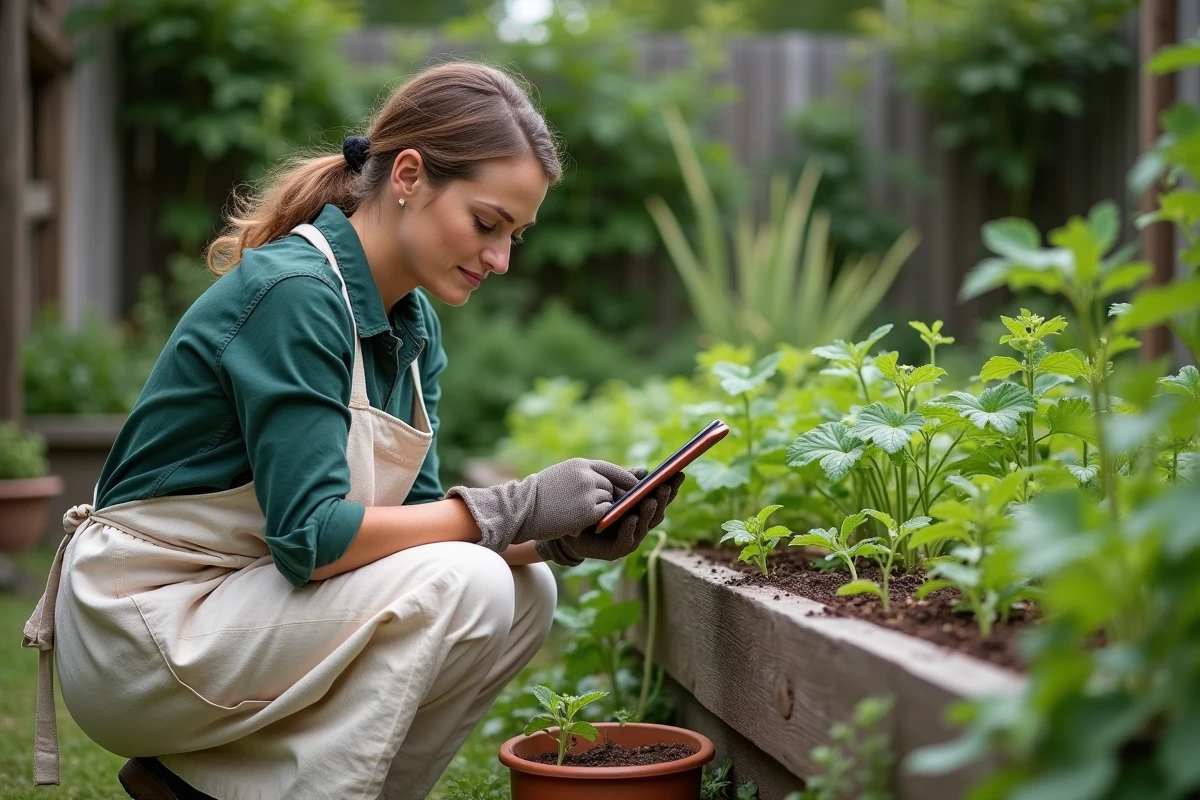
Specialized natural gardening blogs document technical pathways designed for these situations. They provide protocols for progressive remediation using green manures and BRF (fragmented branch wood), with soil cover schedules adapted for small areas. This level of detail exceeds what is offered by mainstream mobile applications, whose recommendations remain generic.
We observe that regular readers of these online resources reduce their seeding failures, particularly thanks to climate updates tailored to French micro-regions. Platforms like the Jardiniers info site on natural gardening detail, for example, crop associations suitable for alkaline or acidic soils, a point rarely addressed in traditional gardening sheets.
Permaculture and living soil techniques: content that only blogs delve into
Permaculture is one of the most frequently searched topics among gardeners transitioning to natural methods. Specialized blogs do not merely recall its principles. They publish feedback from multiple seasons, with photographic tracking of plots, biodiversity assessments, and soil analyses.
This long-format, regularly updated content has no equivalent in print magazines or on social media. A blog post can detail a conversion pathway from a conventional vegetable garden to a permanent raised bed system, documenting the mistakes made in the first year and correcting them the following year.
Three types of high-impact content for the natural gardener
- Localized seeding calendars, adjusted by climate zone and soil type, which avoid discrepancies between a national guide and the reality of a garden in an urban or semi-urban area.
- Comparisons of soil cover techniques (organic mulching, jute fabric, living ground covers), with data on moisture retention and impact on beneficial organisms.
- Multi-year follow-ups of permaculture plots, showing the real evolution of soil fertility and biodiversity over three to five years.
This type of content structures a progression. The gardener does not pick an isolated piece of advice; they follow a methodological thread that takes duration into account.
Online gardening communities: an underestimated lever for reliable practices
The most active blogs now incorporate exchange spaces (moderated comments, associated forums, dedicated groups). This community dimension produces a measurable effect on the quality of practices. According to a report from INRAE published in March 2026, hybrid blog-forum communities increase reader retention by 40% compared to a blog without interaction.
Peer exchange allows for cross-referencing feedback on vegetables grown under similar conditions, something a general guide cannot offer. A gardener facing clay soil in Île-de-France gains more from a discussion thread with other urban gardeners than from a sheet written for Beauce silt.
Specialized blogs vs. gardening mobile apps
Gardening apps are multiplying, but their model relies on standardized databases. They recommend seeding dates, plant associations, and watering frequencies based on regional averages. The specialized blog, on the other hand, publishes field observations from identified gardeners, in specific contexts.
A meta-analysis by UFC-Que Choisir published in April 2026 confirms that blogs outperform apps in accuracy on acidic and alkaline soils, with significantly increased user satisfaction. The reason lies in the format: a blog article can nuance, contextualize, and correct its own recommendations over time. An app delivers a fixed response.

SEO and technical monitoring: choosing the right natural gardening blogs
Not all blogs are created equal. A useful blog for a natural gardener can be recognized by a few structuring criteria.
- The frequency of publication and editorial consistency: a blog that publishes one article per week on the same thematic scope (organic vegetable garden, biodiversity in the garden, compost) builds an exploitable knowledge base.
- The presence of localized data and documented crop follow-ups, not just general advice taken from institutional sources.
- The existence of an active exchange space, allowing for technical questions to be asked and contextualized answers to be obtained.
- Transparency about methods: a blog that explains why it recommends one composting technique over another, based on field observations, offers greater reliability than purely prescriptive content.
Google’s SEO currently favors long, updated, and commented content. Natural gardening blogs that meet these criteria rank well on queries like “permaculture techniques vegetable garden” or “improve clay soil garden.”
We recommend creating a list of three to five reference blogs, covering various climate zones and soil types. Cross-referencing sources remains the most reliable method for adapting the principles of natural gardening to one’s own plot, especially in urban environments where soil conditions diverge from the standards documented in traditional horticultural literature.